
A retaining wall holds soil at a change in grade; compare proposals by the ground and loads they account for, where they send water, and who takes responsibility for design and inspection. A wall that looks right in a sketch still needs room for the parts behind and below the face. Federal Highway Administration guidance shows how the structural footprint and construction sequence differ across wall systems. Its examples are for transportation projects, not specifications for a backyard.
Start with the yard, not the wall finish
Look at the grade above and below the proposed wall. Mark the garage or driveway, patio, fence, second wall and any other feature on the upper side. Chicago’s soil-load provisions distinguish the sideways force from soil from the added effect of a surcharge. A design professional determines whether and how a particular feature adds load. Read what to document about slopes and nearby loads and what to put on the survey and permit sketch.
Follow both water routes
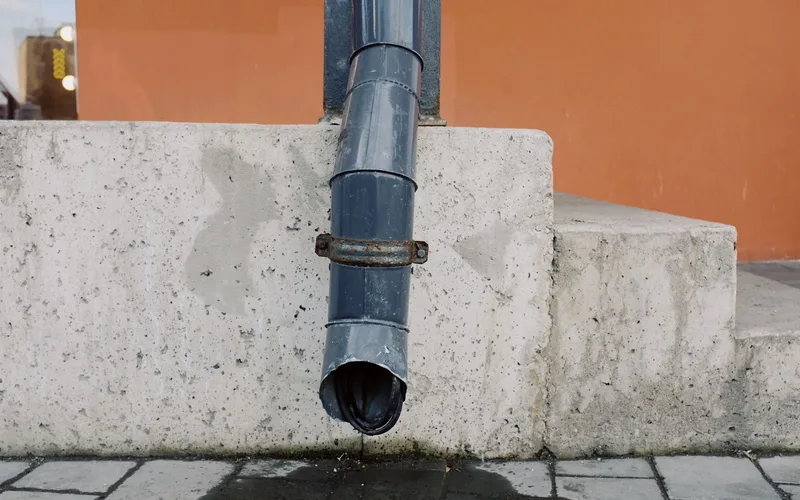
Rain running across the yard and water moving through the soil behind the wall are different design questions. Illinois Extension recommends looking uphill for sources of ponding; federal rockery guidance treats seepage and its outlet separately. A patio’s surface slope or paver base is not the wall’s drain. If the projects share an outlet or one drains toward the other, have the designer show that connection. Use the after-rain yard check to prepare for the visit.
Compare the structure, the scope and the checks
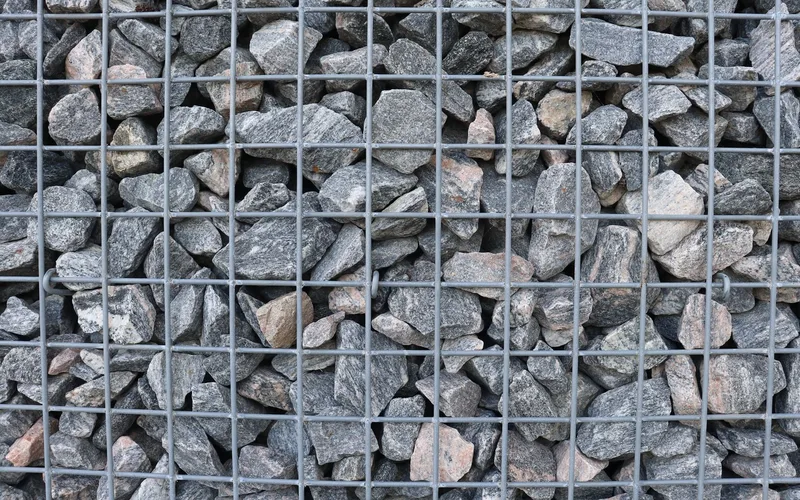
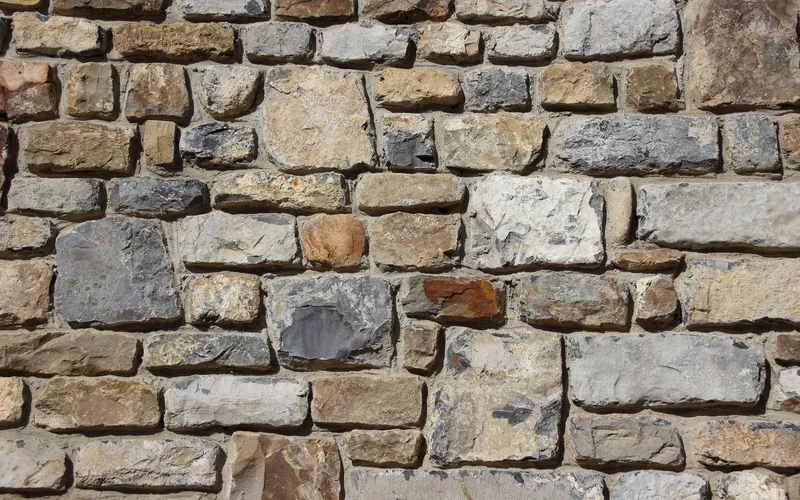
Ask for a cross section before comparing two bids that use the same block or stone finish. FHWA’s earth-retaining systems guide distinguishes wall systems that rely on a structural element from systems that reinforce a body of soil. Compare the systems behind the face, then check what each proposal includes: drawings, drainage destination, responsibility for changes and a chance to inspect hidden work before it is covered. Check the permitting authority for your address; the Chicago permit exemption is not a suburban rule.
Start somewhere else if the wall is already moving
If a wall is visibly changing, keep people away from the affected area and arrange a professional assessment rather than assuming it needs a new cap or a drain repair. FHWA’s condition checklist looks at changes in the face, ground and drainage together. See which wall movement signs to report and how to record them without approaching an unstable wall.